New to coin collecting? Discover how to identify collectible coins, understand rarity and condition, and buy rare and valuable coins with confidence.
Coin collecting is a fascinating way to explore British history, craftsmanship and precious metals. From Victorian coins and hammered coins to gold sovereigns and modern commemorative issues, there are countless areas for beginners to explore.
But how do you know which coins are worth collecting?
Understanding a few key factors — including rarity, mintage, condition, historical significance and authenticity — will help you make more informed decisions when starting your collection.
What Makes a Coin Valuable or Collectible?
An old coin isn’t necessarily a rare or valuable coin. Its desirability can depend on several factors, including:
- Rarity and mintage – how many were originally produced
- Condition – how well the coin has been preserved
- Historical significance – the story and period behind the coin
- Errors and variations – unusual features from the minting process
- Precious metal content – particularly gold and silver coins
- Collector demand – how sought-after the coin is
A coin doesn’t need to be extremely old or exceptionally rare to be collectible. Sometimes its design, history or connection to a particular period makes it interesting to collectors.
1. Check the Coin’s Mintage
Mintage refers to the number of coins produced. Generally, coins with lower mintages can be more desirable because fewer examples were originally made.
For UK coins, mintage and issue information can often be found through Royal Mint records, established coin catalogues and specialist dealers.
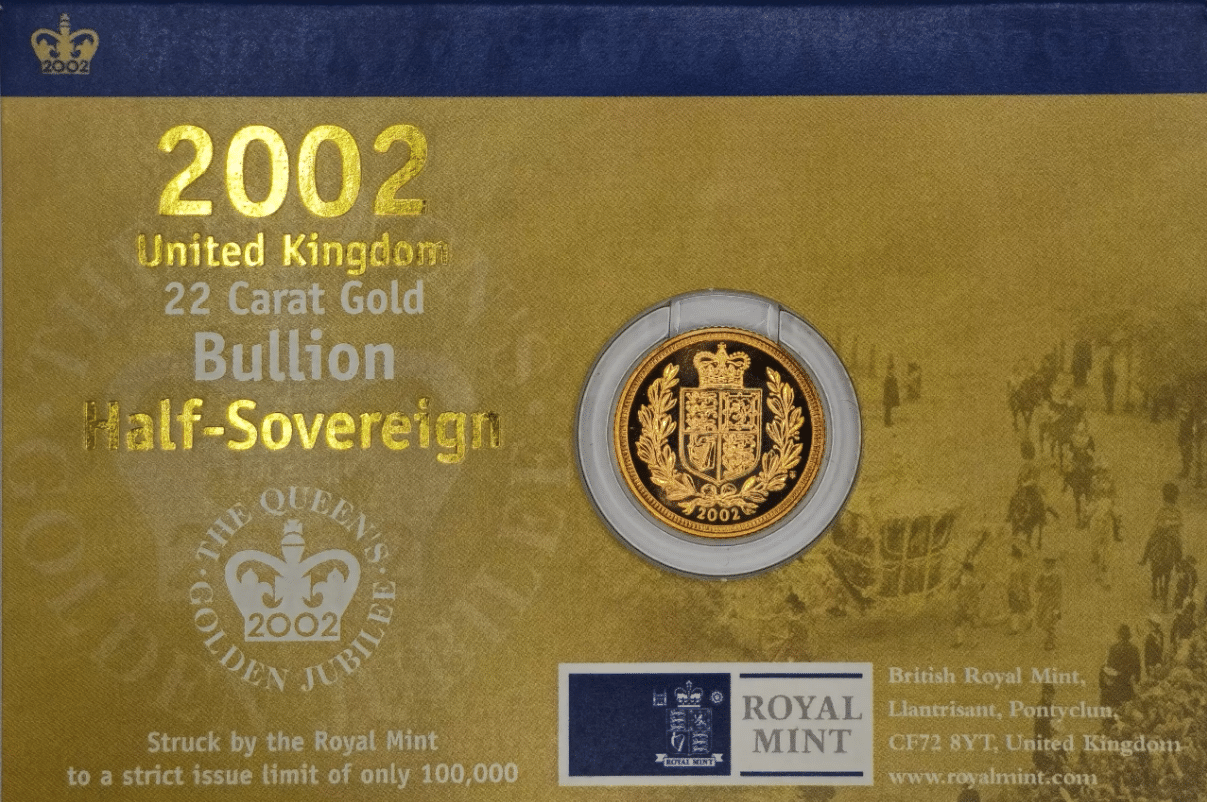
For example, J. Blundell & Sons currently stocks an 1983 Gold Sovereign Collection, comprising a two-pound sovereign, full sovereign and half sovereign. The set has a specific issue limit, making this a useful example of how collectors can look beyond the age of a coin and consider how many examples were originally produced.
However, a limited issue or low mintage doesn’t automatically mean a coin is valuable. The number of surviving examples, condition, historical significance and collector demand can all influence a coin’s desirability and market value.
Tip: When researching a collectible coin, don’t just look at its age. Check its mintage or issue limit alongside its condition, history and current collector demand.
2. Check the Coin’s Condition
Condition, or grade, can have a significant impact on a coin’s value.
Collectors may use terms including:
- Good (G) – considerable wear
- Very Fine (VF) – moderate wear with good detail
- Extremely Fine (EF) – light wear with most detail retained
- Uncirculated (UNC) – little or no evidence of circulation
Professional grading services such as NGC and PCGS can authenticate and grade certain coins.
Never Clean Your Collectible Coins
It can be tempting to polish an old coin, but don’t. Cleaning can damage the original surface and reduce its appeal to collectors.
Natural ageing and patina can be part of a coin’s character and history.
3. Look for Rare Coin Errors and Variations
Genuine minting errors can make some coins particularly interesting to collectors.
These can include:
- Off-centre strikes
- Double strikes
- Missing details
- Incorrect designs
- Die variations
However, not every unusual-looking coin is a valuable error. Damage that happens after a coin leaves the mint can sometimes be mistaken for a genuine mint error.
If you think you’ve found an unusual coin, compare it with trusted references or ask a reputable coin dealer for advice.
4. Consider the Coin’s History
One of the most enjoyable aspects of coin collecting is discovering the story behind each piece.
British coins can provide an insight into different monarchs, historical periods and important events. You could build a collection around:
- A particular monarch
- Victorian or pre-decimal coins
- Hammered coins
- Gold sovereigns
- Silver coins
- A particular denomination
- Commemorative coins
- A specific historical period
For example, Victorian coins offer an insight into one of Britain’s most important historical periods, while hammered coins can date back hundreds of years.
5. Choose What You Want to Collect
You don’t need to collect everything. In fact, choosing a particular theme can make it easier to start.
If you’re interested in rare coins in the UK, you might focus on historic British coinage or low-mintage modern issues.
If you’re interested in precious metals, gold sovereigns and silver coins offer another route into collecting.
Alternatively, commemorative coins can be a great starting point if you’re interested in collecting around particular people, events or moments in British history.
The best collection is one that reflects your interests.
6. Research Before You Buy
Before buying a collectible coin, take time to research it.
Compare similar coins and look at their:
- Condition
- Mintage
- Provenance
- Historical significance
- Precious metal content
- Current collector demand
Be cautious of online listings claiming that an ordinary coin is “extremely rare” or worth thousands of pounds. An advertised price isn’t necessarily the same as the price a coin will actually achieve.
Research first, buy second.
7. Buy Coins from a Reputable Dealer
Buying from an established coin dealer can give you greater confidence, particularly when purchasing older or higher-value coins.
A reputable dealer should be able to provide information about a coin’s authenticity, condition and history.
At J. Blundell & Sons, we have more than 180 years of experience in precious metals and collectible coins. Our team can help collectors understand the coins they’re buying and make informed decisions.
Common Coin Collecting Mistakes to Avoid
If you’re just starting out, keep these tips in mind:
Don’t assume old means valuable. Age alone doesn’t determine rarity or price.
Don’t clean your coins. Cleaning can damage the original surface.
Don’t assume every error is valuable. Genuine mint errors need to be distinguished from post-mint damage.
Don’t rely on one online price. Research comparable coins and consider their condition.
Don’t buy without checking authenticity. This is particularly important with rare and valuable coins.
Start Your Coin Collection
Coin collecting doesn’t have to be complicated. Start with an area that interests you, learn how to assess rarity, condition, mintage and authenticity, and take your time researching before you buy.
Whether you’re interested in rare British coins, gold sovereigns, silver coins or historic collectible coins, building your knowledge is the first step towards creating a collection you’ll enjoy.
Explore collectible coins and box set coins from J. Blundell & Sons or speak to our experienced team to find out more about starting your collection.